Ryohei, Essondale Hospital, 1923
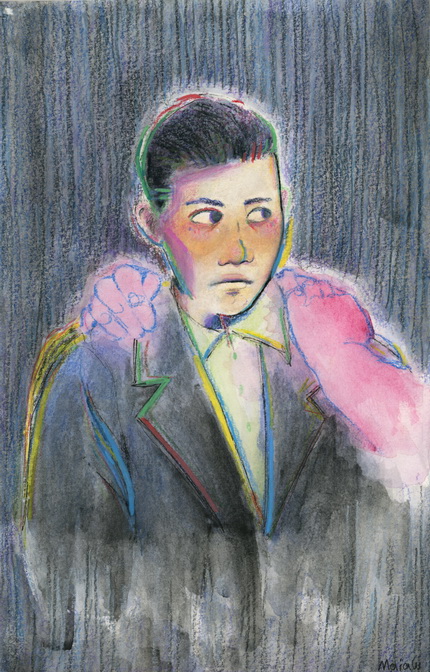
Age: 14
Dates of Admission: June 1923 – January 1934
Ryohei woke up confused. An attendant and another patient tried to help him out of bed, and in response, Ryohei swung his arms around. He did not recognize them, and he did not recognize the small room. Every morning since his arrival, he woke up disorientated. The narrow space contained a metal framed single bed, a bedside table, a chest, and a chair. When the two men backed off, he leaped away and crouched down in the corner of the room away from the door. One uttered a slur as he left the room. Ryohei would not join the others for breakfast.
Beyond his door, unidentifiable voices and sounds created a cacophony of chaos. He lifted his hands to his ears and placed his forehead against the wall. The air was stale. Ryohei was afraid of what lay beyond the door. He grew anxious that the men might return. He remained still.
Hours later, the door opened.
Ryohei pressed his hands harder against his ears. A middle-aged couple walked into the room.
The woman spoke in Japanese, “Ryohei, come sit down with mama.”
She took a seat on the bed and patted beside her. She wore a long green dress, and her dark hair was pulled back into a low bun. The cacophony quieted and Ryohei slowly turned to look at his mother. He was relieved to see her. His fear melted away, and he joined her on the bed. Ryohei sat down and fell to his side. His mother’s hand touched his freshly buzzed hair. The nervous boy looked at his dad who sat in the chair. His flat nose looked just like his. Ryohei missed his sister Noriko, but before he could ask about her, he sought clarification,
“Where am I?”
Family Visits
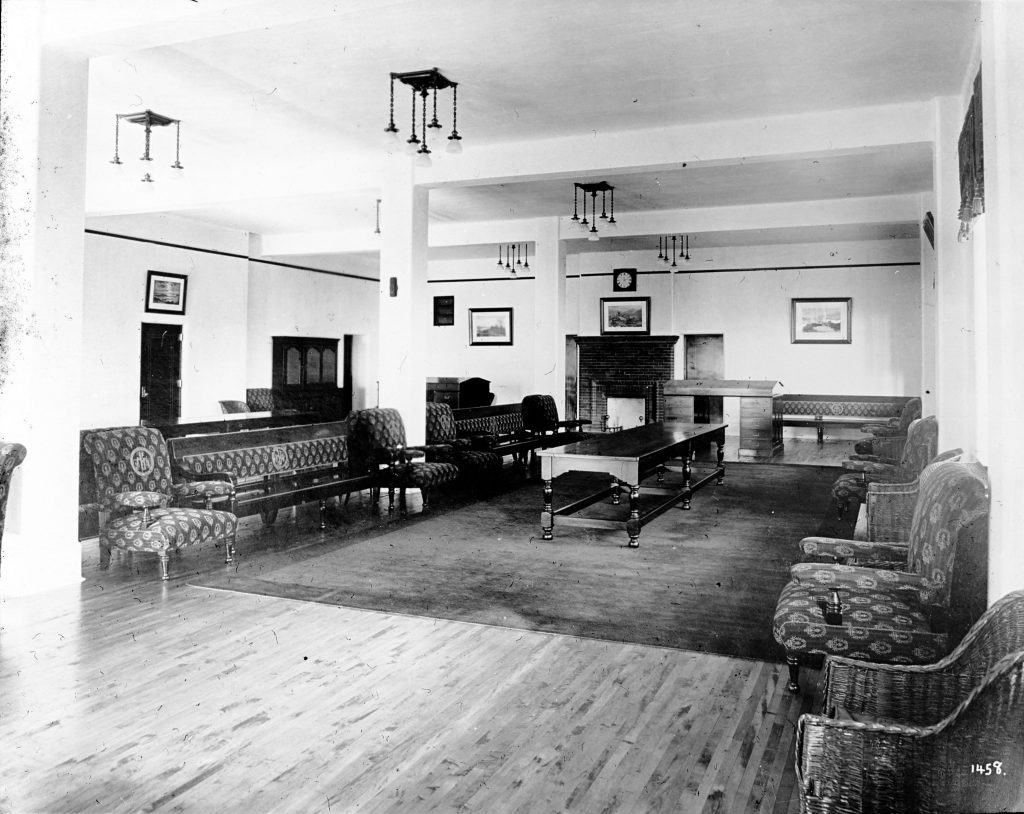
Ryohei’s family and friends visited regularly. Meetings were held within designated hours in a designated room. At times, if patients were unable to leave their room family would be brought to them and the visit would be supervised by staff. Visitors were forbidden from speaking to anyone else.
Visits would help families navigate care and oversee how their children were doing. However, visits were not always permitted. The superintendent held the authority to temporarily pause visits or end them altogether. In November 1933, Ryhohei’s brother was turned away upon arriving for a visit at the asylum. The superintendent later wrote that all visits should be postponed. Two months later, Ryohei fell ill and was visited one final time by his relatives before passing away.
Japanese in Canada
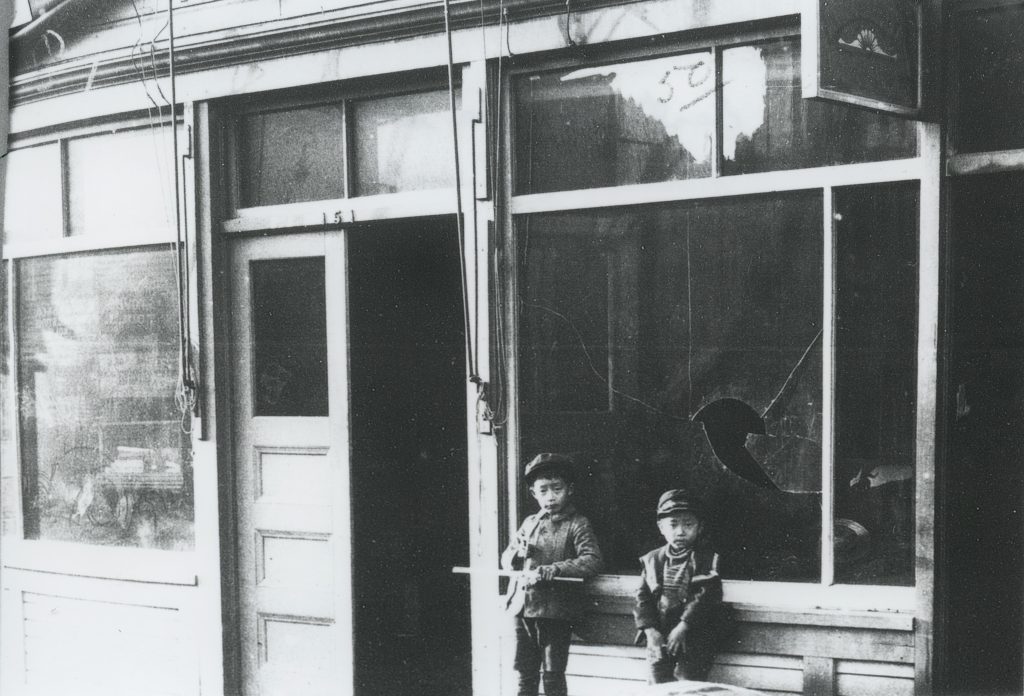
Ryohei was born one year after the Anti-Asian riots in Vancouver. Hostility reached a boiling point from racist settlers who grew angry at the influx of Japanese immigration. White settlers believed Canada should be a white’s man country and wanted to prevent the Asian population from expanding their participation in the labour market beyond low paid labour.
As a response to the riot, the Canadian government came to The Gentlemen’s Agreement of 1908 also known as the Hayashi-Lemieux Agreement with Japan. It was a voluntary limitation on Japanese immigration into Canada. This was one of the many efforts over the twentieth century to halt Asian immigration to British Columbia.
For children like Ryohei, who were born in Canada, they struggled to find a place for themselves in settler society. The Japanese community in Vancouver were both critiqued for living separately and for trying to move into white neighborhoods. Christian churches in Vancouver called for assimilation and Canadianization as a form of tolerance for Japanese Canadians to acquire citizen rights. However, many settlers believed Asians were too different and feared the eugenic notion of race degradation through intermarriages. There were calls for segregated schools, and publications like Danger: The Anti-Asiatic Weekly spread racist propaganda.