
Sophia, Selkirk and Brandon Asylums, 1916
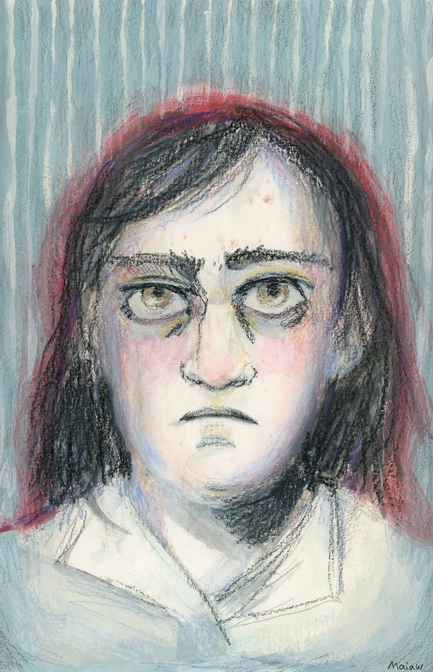
Age: 16
Dates of Admission: July 1916 – February 1965 (her death)
Sophia’s head nodded, waking her from a nap. She sat on a brown wingback chair in a large room used for patient entertainment. Sophia rubbed her eyes and reached out with her slender hands. Barely awake, she called for her baby, “Vanya.”
“No, Vanya here,” a nearby patient chirped, not lifting her head from a magazine. The old woman reminded Sophia the day prior of the same thing. It had become part of their daily routine.
“My baby,” Sophia’s voice filled with concern, “bring me my baby.”
Sophia’s thoughts filled with images of Vanya—a tuff of black hair, her tiny fingers, and her crinkled nose. She started to get up. Sophia wanted to hold Vanya. It was difficult for her to make out the room with her deteriorating eyesight. Chairs blurred together. Other patients were unrecognizable. Regardless, Sophia had to find her daughter. She was still so young, too young. Before the weight of her body could meet the soles of her feet, rough hands pressed down on her shoulders from behind the chair. Sophia fell back and cried out, “My baby.”
She had no strength to resist the strong push down. Sophia was groggy and tired. She felt like she was in a daze, except when she remembered Vanya. She was all Sophia could think about. The rough hands belonged to one of the attendants who moved to stand in front of Sophia. She was tall and slender. She spoke softly at first and reminded Sophia, “Your baby didn’t make it.”
“You lie! Where is my Vanya? I saw her this morning,” Sophia retorted, her voice filled with distress.
“Sophia, we’ve talked about this. You’ve been here for two months. No babies live here,” the attendant replied. The softness in her voice disappeared.
Sophia grimaced at the attendant and furrowed her brow. Sophia knew that her child still lived, “My Vanya, she did not die. You took her from me.”
Before the attendant could respond, the pent-up grief welled up inside Sophia. She drew in a deep breath, opened her mouth, and screamed as loud as she could. Tears of heartache and confusion streamed down her face.
“a menace to herself and her attendants and should be removed to a place of safe keeping”
Youth Pregnancy
At sixteen, Sophia gave birth at the Winnipeg Hospital. She was not married. The records have conflicting information around what happened to her child. Did Vanya die in childbirth? Or was she sent away to be adopted by more ‘respectable’ parentage? The case file shares different narratives between what Sophia believed, and what the medical practitioners reported.
In either case, Sophia would have not been considered a fit mother, especially with the lack of familial support. Pregnancies outside of wedlock were considered signs of immorality. This plagued reformers who sought to champion Christian uplift. In some cases, religious organizations offered a place for unwed mothers that required their active participation and penitence in institutional life. Survivor testimonies of these facilities reported the tireless work and the adoption of their children with and without consent.
Policing Sexuality
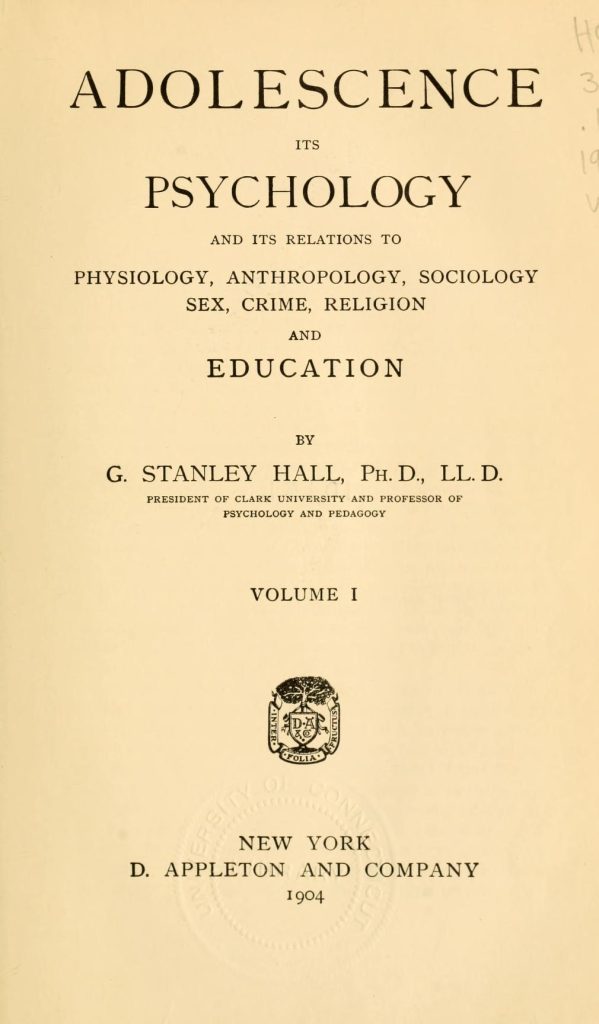
American psychologist, G. Stanley Hall, argued that adolescence required adult intervention and control. For girls, this meant ensuring they developed gender appropriate interests. However, as single girls and women became wage earners, moral panic rose around chastity. This prompted attention from medical professionals, the justice system, and club women. Reformers sought to facilitate girl’s trajectories into healthy adulthood and future mothers. The colonial subject was meant to self-govern in accordance with heterosexuality and monogamous marriage. Girls who deviated from this either needed to be corrected or removed.
Asylums served as one place to cloister girls away from society. This served the eugenic goal to improve the Canadian ‘stock.’ Through the twentieth century, eugenic discourse saw certain individuals as a threat to the future of Canada. Institutionalization acted as a form of passive negative eugenics to prevent certain people from having children.
Carceral Life
Sophia spent the rest of her life at the Brandon Asylum. While incarcerated, she lost her vision and stopped speaking. In 1965, she died after spending 49 years at the Selkirk and Brandon asylums.
Sophia never shared her thoughts with the people who incarcerated her. The records show a young girl turned women who fell apart at the loss of her baby. She communicated with no one and left no written materials.
Survivors of institutionalization in the second half of the 20th century have reflected on the ways their gender and sexuality impacted institutionalization. The collection Shrink Resistant shares some of these stories. Survivor Joan Harries wrote,
“I remember I was being punished for something; maybe I was playing the submissive ‘female role’ or was actually going against the psychiatric criteria of femininity. I was neither submissive nor aggressive just independent, like a cat.” And on her release, she said, “I finally decided to tell my psychiatrist that I just wanted to clean my house and take care of my baby. As soon as I said that, he declared, ‘You’re much better now,’ and promptly discharged me.”
Gender and sexuality continue to profoundly impact the way children and adults are treated under the psychiatric system. Women continue to be pathologized for their reactions to traumatic events and experiences of oppression. You can learn more by exploring Kiran Stoker’s poem Jane Doe and her artist statement.