

Mathieu, Saint-Jean-de-Dieu Hospital, 1906
Age 8
Admission dates: September 1906 to unknown
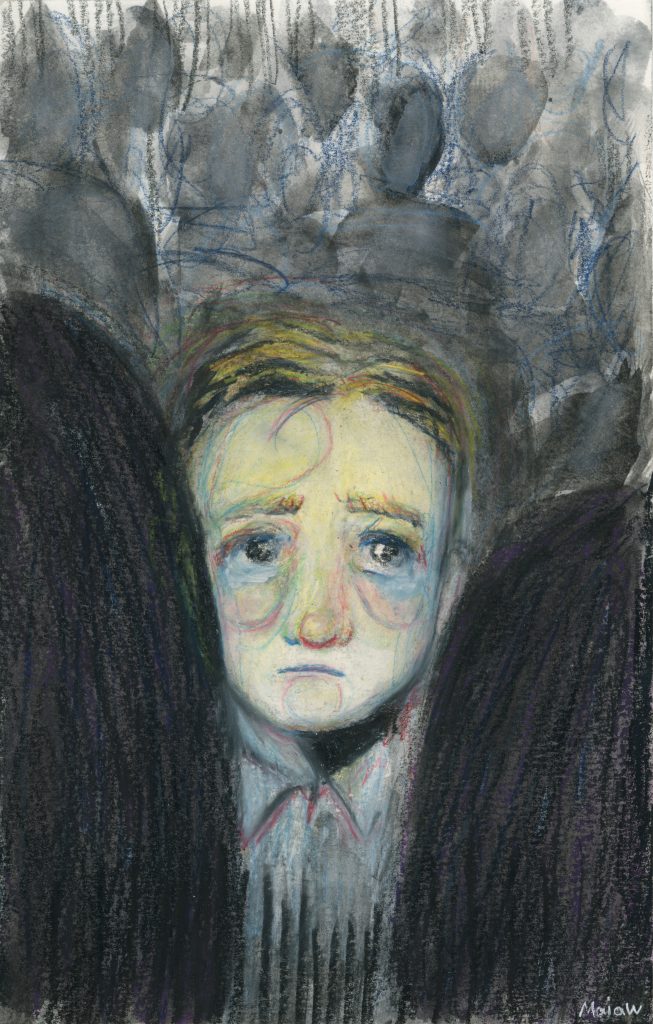
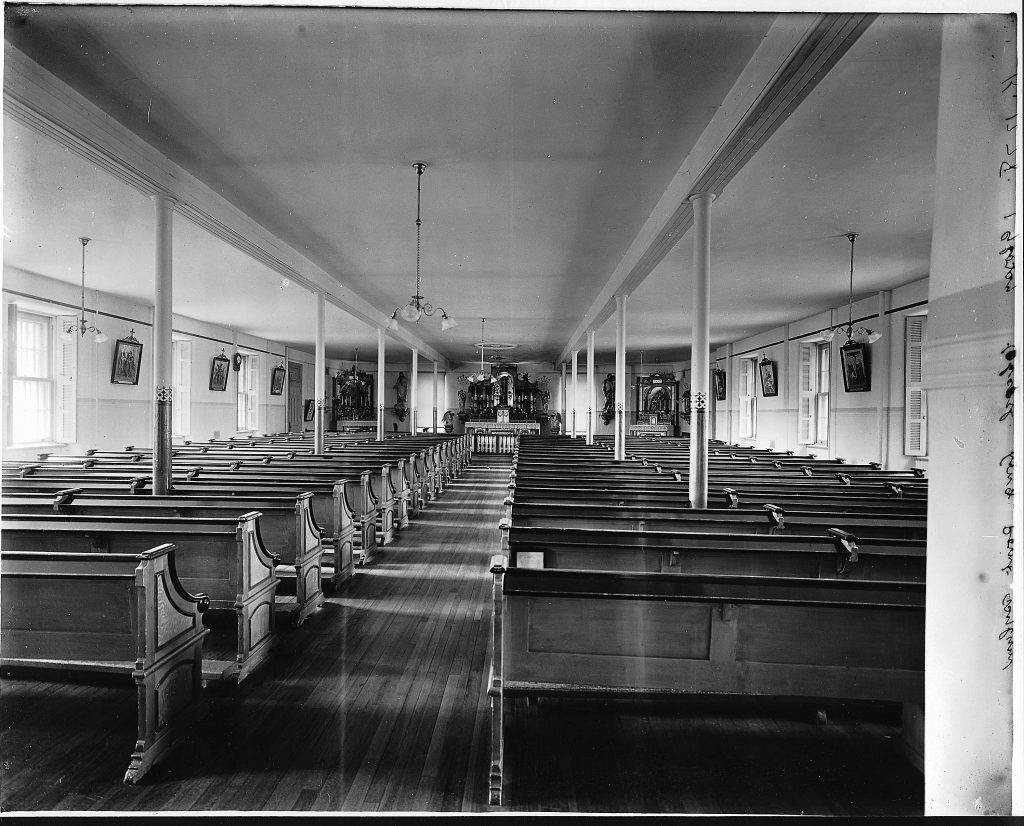
Behind the stream of towering men, dressed in their work soiled clothing, Mathieu, a blond-haired eight-year-old boy, followed. His hands snapped his suspenders that held up his black shorts over a mostly white shirt. As the patients began to fill one of the back pews, Mathieu tried to sneak a peek through the nearest window. At dinner, he overheard some of the men discussing the apple trees. He imagined he was a squirrel amongst predators. He wanted an apple. However, he was too far from the window to see anything but the horizon. Dejected, Mathieu sat down, the skin on the back of his knees stuck to the pew and his feet hung in the air.
As the last patients took their seats, all was quiet, save a few fidgeting feet. Most eyes were on the mother superior standing at the front of the chapel. Every so often, patients gathered in the chapel for the evening prayer. It was a rare moment when the brouhaha of institution came to a quiet. Mathieu anxiously waited. He enjoyed the atmosphere of the chapel, but most of all, he looked forward to the comedic play that a group of patients were performing afterwards. Mathieu could not wait.
He joined the room as they recited the lord’s prayer.
Daily Life
Institutional life followed a routine set by administrators. An ideal schedule was structured around waking times, meals, prayers, work, medical visits, and entertainment. Patients had little say in what their day looked like and communal life offered little in the way of privacy. Mathieu spent his days following a schedule and among people at all times. Limited firsthand accounts show that children found their integration with adults scary, dangerous, and confusing.
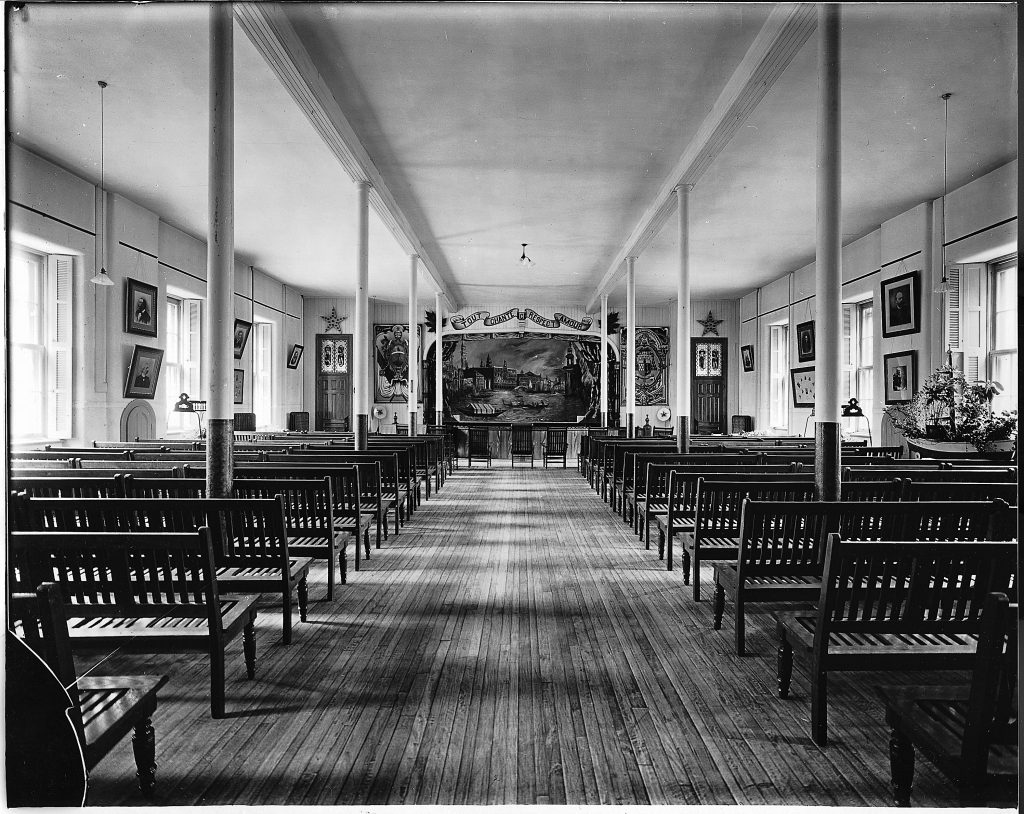
In Quebec, psychiatric hospitals were unique because contracts to run the facilities were signed with religious organizations. This was referred to as ‘farming out.’ As a result, religion played a key role in the daily lives of Quebec patients with regular prayers offered by the sisters. Religion also made its way into other aspects of their lives including entertainment..
Nursing Care

The Sisters of Providence provided daily care for patients. By 1900, they followed the third edition of “Traité élémentaire de matière médicale et guide pratique des Soeurs de Charité de l’Asile de la Providence.” This 1663-page book would go on to form the basis for the nursing school that was founded in 1912. The book helped the sisters navigate different forms of treatment and care for patients. In chapter seven on hydrotherapy, it details the practice, including the application of different water temperatures for therapeutic care.
Nursing practice was also embedded in religion and is reflected on by Sister Monique de la croix who shared,
“So many virtues to practice in a single day with our dear sick! May our daily self-giving be proof of our compassionate and radiant love! For the nurse, the mentally ill person is already heir to the saving message of the cross, bearing a shadow of Christ’s suffering. And like the Good Samaritan, the nurse drawn to the patient’s service must possess not only extreme kindness, but also an intuition inspired by a supernatural light, a divine strength.”
While nursing practices would evolve over the twentieth century, their interventions were not always welcomed by patients, nor did the good intentions result in positive outcomes for children. The asylum ran on an austere budget, and patients were not required to provide consent. Children experienced abuse and maltreatment. Many objected to their institutionalization.
Controversy

In 1885, Dr. Daniel Hack Tuke published an account of Saint-Jean-de-Dieu. He wrote that patients were unruly and listless, it was overcrowded, and restraints were being actively used. He critiqued both the physical space and the lack of care for patients. As a follow-up, the 1887 Royal Commission on Lunatic Asylums of the Province of Quebec called for the end of farming out care to private individuals or corporations.
This did not occur.
In 1890, 100 people died in the fire that broke out in the original asylum building. It was rebuilt in 1901. By 1906, small repairs were needed, and by 1907, the facility faced overcrowding.
Patients continued to be cared for with inadequate support. While oversight was introduced, little change occurred in the daily lives of patients. In 1908, the per diem for patients was $0.29. In contrast, the Saint-Justine Children’s Hospital in 1908 had a per diem of $1.10, over three times higher. The per diem cost at Saint-Jean-de-Dieu would only reach $1.06 in 1949.