A Utopian Experiment Exhibit

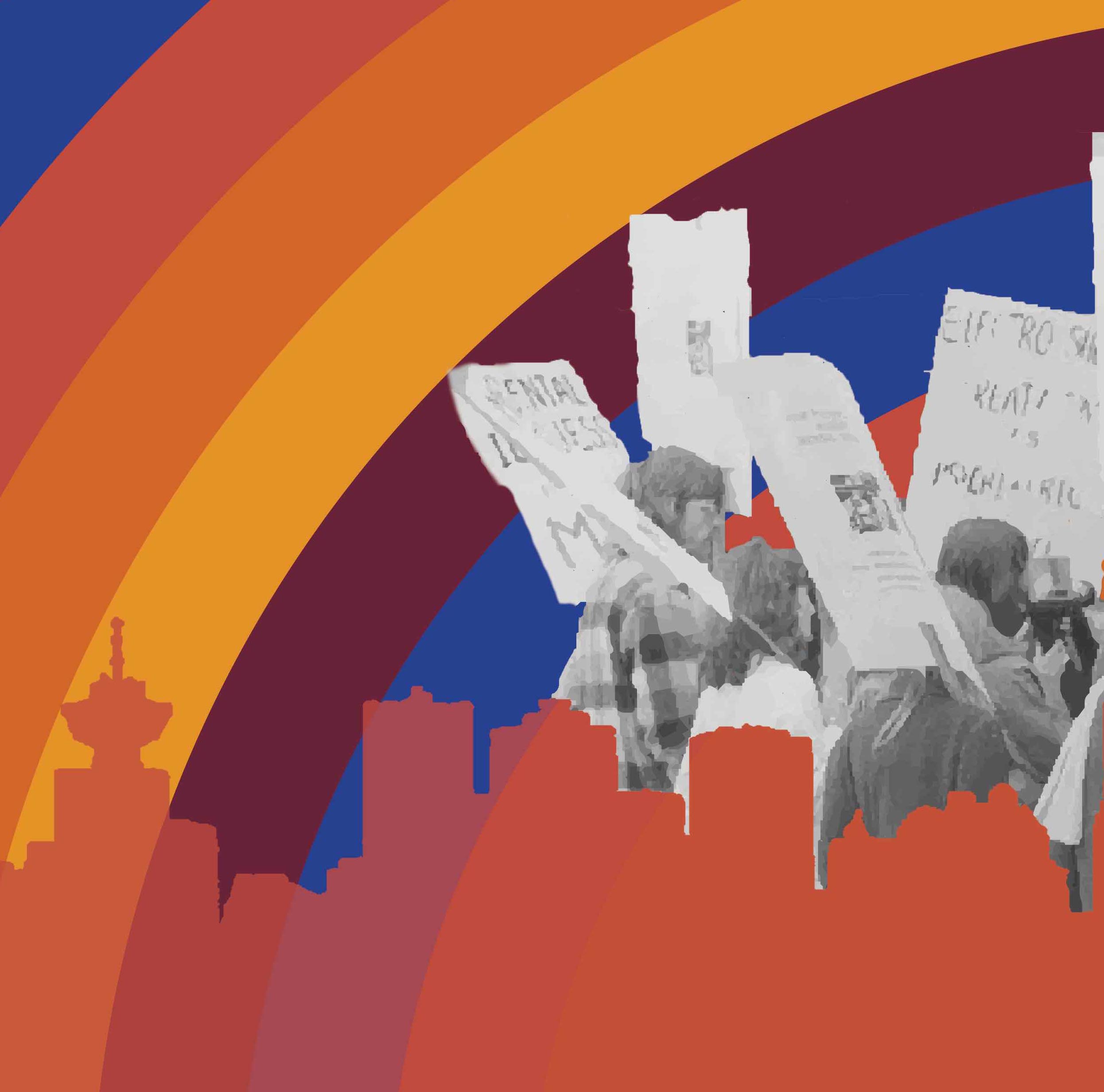
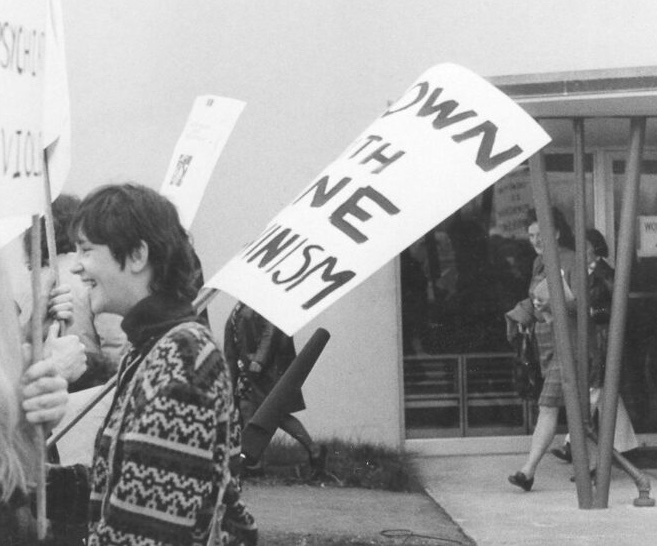
Meet these radicals and reconsider who could be in charge of the fate of mental health. Vancouver’s pioneering group MPA was Canada’ first democratic, peer-directed mental health organization. It inverted asylum hierarchies and put former patients and sympathetic lay supporters in charge. This exhibit includes a series of biographical sketches and case studies.
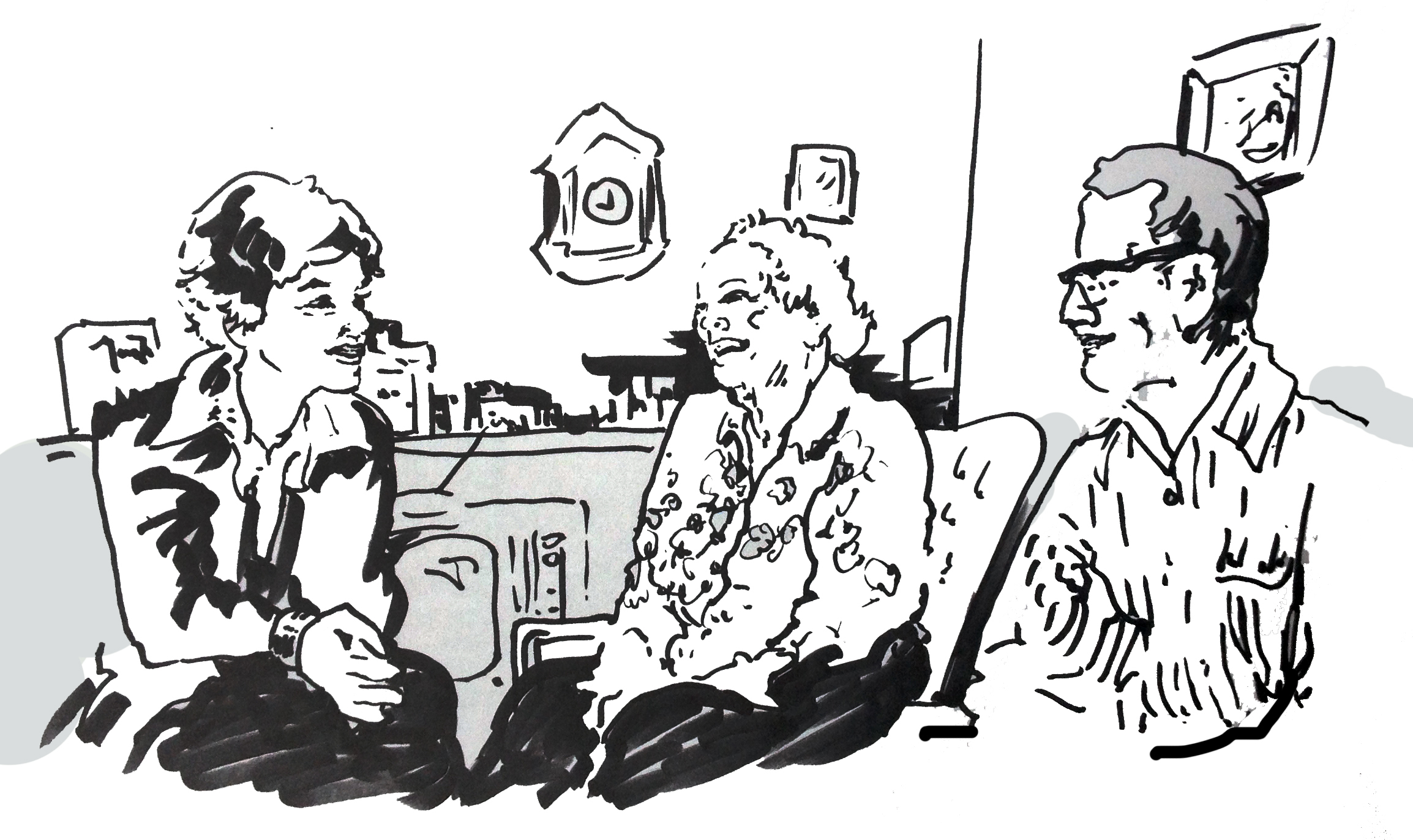
An Activist and an Academic Exhibit

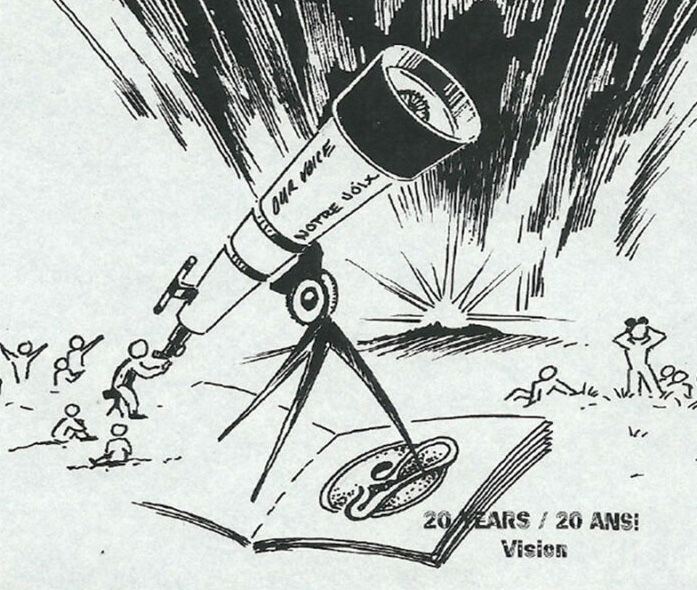
Learn about a marriage of street smarts and scholarly skills, an impossible combination in the asylum era. Eugène Leblanc, director of an innovative Moncton support group, and Nérée St-Amand, professor of social work at the University of Ottawa, met in 1987. Sharing a savvy critique of the mental health system, they have been working together ever since.

Between Two Worlds Exhibit

Read what the practitioners have to say about their struggles to redefine themselves in a deinstitutionalized world. As the big psychiatric institutions closed in the 1960s and 1970s, many of the staff found work in community mental health programs. Historian Chris Dooley presents the stories of front-line prairie mental health workers and his own reflections.

CMHA White Cross Centres Exhibit

Established in the deinstitutionalizaton era, White Cross Centres were meant to help discharged patients build a social life and gain skills for daily living. This exhibit is a compelling illustration of the inadequacies of an underfunded and underdeveloped community mental health system.

Ernest Winch and New Vista Exhibit

Did community support for people experiencing mental health difficulties emerge only in the 1960s? Fully two decades earlier, BC provincial politician Ernest Winch established the New Vista Home for discharged female psychiatric patients. Visit this exhibit to learn about Winch’s early efforts to secure human rights for psychiatrized people, and meet four New Vista women as they struggle to make lives outside the institution.

Maladjusted

Meet a theatre crew who made their audience map out a way to humanize our broken mental health system. In 2013, Vancouver’s Theatre for Living launched Maladjusted, a production that crafted fictional scenarios from the lived experiences of cast members, using the stage as a platform to rehearse progressive changes to the current psychiatric regime.

Museum of the Mind

The Museum of the Mind in Haarlem, the Netherlands, is a public repository of psychiatry’s past that speaks with purpose to mental health today, drawing the visitor in as an active participant and storytelling, history, art, and past-present-future paradigms to challenge current ideas and practices in mental health.

Shrink Resistant

Shrink Resistant, recalls a time when there was a zeitgeist to make the hidden public, and for the disempowered to unit and take political action. Edited by Torontonians Bonnie Burstow and Don Weitz, the book was published in 1988 by New Star, Vancouver’s venerable left wing press. This was English Canada’s first collective representation of psychiatric survivors.

The Asylum Project

The Asylum Project, the idea that neurodiverse people were sick and needed long term residential care, was an optimistic idea that ended in far-reaching failure. Visit architect Arthur Allen’s careful examination of the sites, buildings, and grounds of Western Canadian asylums and the lives of patients who lived there.

The Inmates are Running the Asylum

The Inmates Are Running the Asylum is a 36-minute historical documentary about the MPA (Mental Patients Association), Vancouver’s most radical and successful mental health group. A compilation of interviews clips, animation, vintage footage, and original music, this provocative, passionate and engaging film speaks to social justice, community-building and mental health today.